YorkRegion.com
Travelling south for March break? How to avoid illnesses hitting Ontario travellers
Ontario food safety expert shares essential tips to avoid illness ahead of March break travel, following reports of an outbreak at a Cancun resort and ill passengers at Toronto Pearson Airport.

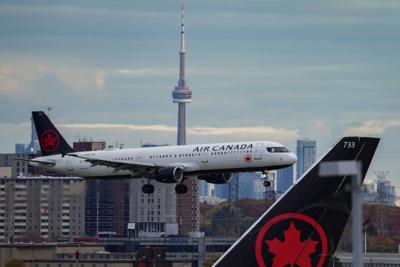
Peel paramedics responded to reports of ill passengers on a flight at Toronto Pearson Airport.
Arlyn McAdorey/Toronto Star file photoSome Canadians returned home from vacations in February with painful and, in some cases, severe symptoms linked to gastrointestinal bugs, according to recent reports.
Tourists who stayed at the Royalton Splash Riviera in Cancun, Mexico reported illnesses both at the resort and upon returning home.
One Canadian traveller said her family was diagnosed with what her doctor described as food-borne parasites and norovirus.
Some passengers who arrived at Toronto Pearson Airport on a WestJet flight needed assistance from paramedics.
Peel paramedics respond to Toronto Pearson Airport
Peel paramedics attended Toronto Pearson Airport after several passengers on an international flight reported experiencing vomiting during their flight last Thursday.
“Seven passengers were assessed and declined transport to hospital,” a spokesperson explained.
News reports indicate the passengers were on a WestJet flight arriving from Cancun.
This publication has not been able to independently verify where the flight was arriving from, if the ill passengers were known to each other or if they had been staying at the same accommodation.
The cause of the illnesses has not been confirmed by officials.
This publication reached out to Royalton Splash Riviera in Cancun and WestJet, but did not receive responses.
Peel Public Health says no risk to the broader public
Peel Public Health said there’s no evidence of risk to the broader public and encourages travellers to take simple, preventive health measures before they depart to lower health risks.
“This includes consulting with a travel medicine specialist before travelling, following good hand hygiene practices and avoiding potentially contaminated food or water,” a public health spokesperson said.
When asked about the incident, a Pearson spokesperson told this publication to reach out directly to WestJet.
What puts us at risk for getting ill when travelling?
Keith Warriner, food safety expert and University of Guelph professor, said most people get sick on vacation from contaminated ice, water and salads, and other ready-to-eat foods, which are considered high risk.
“When we are on holiday, we assume food and water is the same as here (in Canada), which is not always the case,” he said.
Travelling lowers the immune system, making people more susceptible to illness, he added.
When travelling to southern vacation destinations, Warriner notes the most common cause of gastrointestinal illness is from fecally contaminated water entering the municipal system and being used for preparing ice, meals, bathing and brushing teeth.
Fecal contamination can carry norovirus, enteric protozoan (such as cyclospora), Salmonella and E. coli, among others, which can make travellers sick.
Warriner recalled a parasite outbreak last year in a resort in Mexico.
“In that case, it was broken sewage systems that contaminated water used in the resort and people caught it even washing their teeth in water from the faucet.”
How to avoid getting sick on vacation
Warriner advises travellers stick with bottled water for drinking and even brushing their teeth. However, you should make sure the seal is intact before using.
If you’re at a resort or down south on holiday, Warriner advises people avoid fresh salads and always choose foods that have been cooked or are in packaging with an unbroken seal.
“Avoid street vendor foods,” he added. “If you have doubts, then be sure not to take risks. Avoid ice and wash hands, be careful of buffets as these can subject to temperature abuse.”
If you’re at a resort, ask a manager or travel representative to see when the last food safety inspections were done.
Traveller’s diarrhea
The Canadian government warns “traveller’s diarrhea” is the most common illness affecting travellers.
“It is spread from eating or drinking contaminated food or water,” the travel advice for Mexico reads. “Risk of developing travellers’ diarrhea increases when travelling in regions with poor standards of hygiene and sanitation. Practise safe food and water precautions.”
Canadian officials advise the most important treatment for travellers’ diarrhea is rehydration. It’s recommended travellers carry oral rehydration salts when travelling.
Other safety precautions
Not only can eating or drinking unsafe food or water make you sick, swimming in contaminated water can also make you ill while travelling.
The Canadian government’s official advice is:
- Boil it, cook it, peel it or leave it. You should only eat food that is prepared safely.
- If possible, avoid getting water in your eyes, mouth or nose when swimming in freshwater (such as streams, lakes or canals), especially after heavy rain or flooding as the water might look clean but can still be contaminated.
- Don’t swallow water when bathing, showering, swimming in pools or using hot tubs.
Travellers can find more information and advice on the Government of Canada’s official travel resource: Travel advice and advisories — Travel.gc.ca.


No comments:
Post a Comment